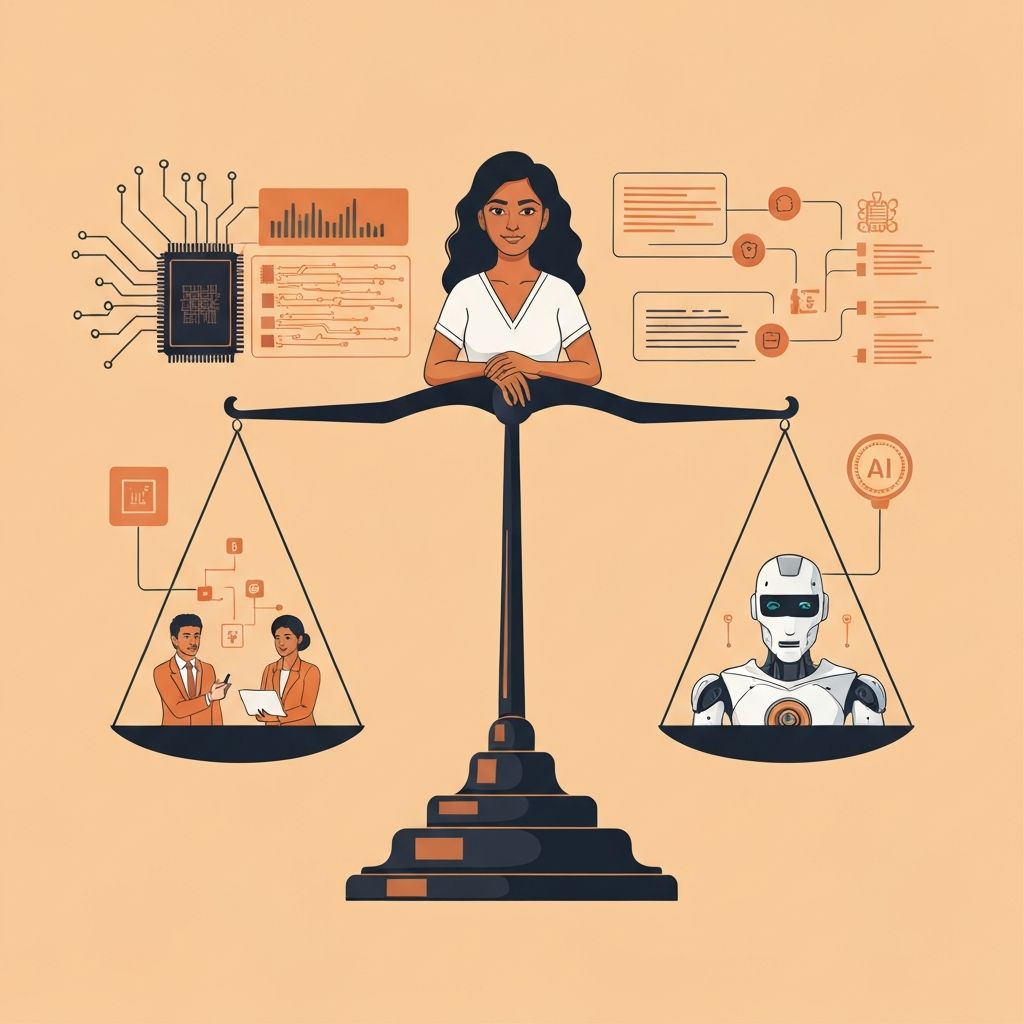
The rapid advancement of machine learning technologies brings with it profound ethical responsibilities. At Axionxlab, we believe that building powerful AI systems requires an equally strong commitment to ethical development practices. In this article, I'll share our approach to responsible ML development and the frameworks we use to ensure our work benefits society.
The Ethical Landscape of AI
Machine learning systems are increasingly making decisions that affect people's lives—from loan approvals to medical diagnoses, from content recommendations to autonomous vehicles. This growing influence demands that we, as developers and researchers, take ethics seriously at every stage of the development process.
Data Collection and Consent
The foundation of any ML system is data, and ethical data practices must be our starting point. Key considerations include:
**Informed Consent**: Individuals should understand how their data will be used. We've developed clear consent frameworks that explain data usage in plain language, avoiding the complex legal jargon that often obscures true intent.
**Data Minimisation**: We collect only the data necessary for our specific purposes. This principle not only respects privacy but often leads to more focused and effective models.
**Representative Datasets**: Biased training data leads to biased models. We invest significant resources in ensuring our datasets represent diverse populations and perspectives.
Fairness and Bias Mitigation
Even with careful data collection, bias can creep into ML systems in subtle ways. Our approach to fairness includes:
Pre-processing Techniques
We employ statistical methods to identify and correct imbalances in training data before model development begins. This includes:
In-training Interventions
During model training, we use regularisation techniques that penalise discriminatory patterns. Our custom loss functions incorporate fairness constraints alongside accuracy objectives.
Post-deployment Monitoring
Fairness isn't a one-time achievement—it requires ongoing vigilance. We've built monitoring systems that continuously evaluate model outputs for potential bias, with automatic alerts when concerning patterns emerge.
Transparency and Explainability
Black-box AI systems erode trust and make it difficult to identify problems. We're committed to transparency through:
**Model Documentation**: Every model we develop comes with comprehensive documentation explaining its purpose, limitations, training data, and known biases.
**Explainable Predictions**: Where possible, we use inherently interpretable models or provide explanations for individual predictions using techniques like SHAP values and attention visualisation.
**Open Research**: We publish our findings openly and engage with the broader research community to advance collective understanding of AI ethics.
The Path Forward
Building ethical AI systems isn't easy, and we don't claim to have all the answers. What we do commit to is continuous learning, honest acknowledgment of our limitations, and genuine engagement with the communities affected by our work.
We invite other organisations to join us in prioritising ethics alongside innovation. Together, we can ensure that the AI revolution benefits everyone.
Eleanor Chen, Chief Technology Officer
Eleanor Chen
Chief Technology Officer